


Engine Oxygen Sensor Guide

Share

Imagine you’re a detective trying to solve a mystery, and your primary suspect is the engine of your car. The clues are all there, but you need a trusted informant who can give you accurate information about what’s going on inside that puzzling machine. Here, the informant is none other than an engine oxygen sensor.
This little device plays a crucial role in helping your vehicle run efficiently and keeping harmful emissions low. It’s essential to understand how it works, when it needs attention, and how to fix or replace it when necessary.
We aim to unravel the enigma of this vital component by delving into its function, importance, and common issues. We’ll also provide you with practical tips for diagnosing problems with O2 sensors and maintaining optimal performance from your car’s engine. So buckle up and get ready to become an expert in engine oxygen sensors!

What Are O2 Sensors In A Car’s Engine?
When we talk about a car’s engine, there is an important component called the O2 sensor or the oxygen sensor. This small device plays a crucial role in making sure your engine runs efficiently and produces fewer harmful emissions. The primary function of an O2 sensor is to measure the level of oxygen in the exhaust gases coming out of the engine. By doing this it helps the vehicle’s computer determine how much fuel needs to be added to achieve optimal combustion.
There are usually two types of engine oxygen sensors in most vehicles – upstream O2 sensors and downstream O2 sensors. The upstream o2 sensor is located before the catalytic converter in the exhaust system and measures the amount of oxygen present in the exhaust gases before they are treated by the converter. Downstream oxygen sensors are positioned after the catalytic converter and monitor its efficiency by comparing upstream and downstream readings.
If you have a bad O2 sensor, it can lead to poor fuel mileage, increased emissions, and poor engine performance. Some common symptoms of a bad oxygen sensor include reduced power output from your engine, poor acceleration, rough idling or stalling while driving, check engine light coming on, or even failed emission tests. It is important to address these issues as soon as possible to prevent further damage to your vehicle’s engine or exhaust system components.
The primary function of an O2 sensor is to measure the level of oxygen in the exhaust gases coming out of the engine. By doing this it helps the vehicle’s computer determine how much fuel needs to be added to achieve optimal combustion.

Symptoms An Engine’s O2 Sensor Is Bad
The engine’s O2 sensor is a crucial part of the car’s exhaust system, and if it’s bad, it can cause a few problems. One symptom of a bad O2 sensor is misfiring, which is when the engine doesn’t run smoothly. Poor fuel economy is another common sign that the O2 sensor isn’t working properly.
You might also smell a strong, acrid odor coming from the exhaust, which is another symptom of a bad O2 sensor. If you notice any of these issues, it’s important to get the O2 sensor checked out as soon as possible. Ignoring the signs of a bad sensor could lead to more serious problems down the line.
Misfiring
Imagine you’re driving down the road, and suddenly, your car starts to hesitate and shake. This is a sign that your engine might be misfiring, which could be caused by a bad O2 sensor. A misfiring engine can lead to poor performance, increased fuel consumption, and even damage to your vehicle’s engine.
If your vehicle has an on-board diagnostic system (OBDII), it may produce an O2 sensor code showing a problem with the oxygen sensor. This is often a good sign that it’s time to replace the sensor. Luckily, there are universal oxygen sensors available that work with most vehicles, making it easier and more affordable to find a replacement.
When shopping for a new O2 sensor, you should purchase an oxygen sensor socket as this specialized tool can make replacing the sensor much simpler. The cost of an O2 sensor can vary depending on whether you choose an aftermarket O2 sensor or one made by your vehicle’s manufacturer; however, in general they are relatively inexpensive.
Keep in mind that while a bad O2 sensor might cause misfiring and other engine problems, there could also be other factors contributing to these issues. It’s important to take your vehicle to a trusted mechanic who can accurately diagnose the problem and recommend any necessary repairs or replacements.
By addressing any issues with your oxygen sensors early on, you can help ensure that your vehicle continues running smoothly and efficiently for years to come.
Poor Fuel Economy
Apart from engine misfiring, another symptom that could show a bad O2 sensor is poor fuel economy. When the oxygen sensor isn’t working properly, it can cause your vehicle to use more gas than it normally would.
This happens because the sensor tells your car’s computer how much fuel and air to mix for optimal combustion. If the sensor’s readings are off, your car may get too much or too little fuel, which can lead to decreased gas mileage.
If you’ve noticed a sudden drop in your vehicle’s fuel efficiency, it might be worth looking into whether a used O2 sensor from an auto salvage yard could be the culprit. Replacing an old or malfunctioning oxygen sensor with one that works correctly can help improve your car’s overall performance and may even save you money at the pump in the long run. Don’t forget to consult with a trusted mechanic if you’re unsure about diagnosing or replacing the sensor yourself.
Addressing issues related to your engine’s O2 sensor early on is essential to maintaining your vehicle’s health and efficiency. It’s always better to invest in repairs sooner rather than later, as neglecting these problems can lead to more serious damage down the line.
Unusual Smell
So, what’s another sign that your O2 sensor might be acting up? Well, an unusual smell coming from your exhaust could be a clue. When your engine isn’t burning fuel properly because of a bad oxygen sensor, it can create a strong odor similar to rotten eggs. This is because the unburned fuel produces sulfur compounds when it comes into contact with the hot exhaust system.
If you notice this funky smell while driving, it’s definitely worth checking out your car’s O2 sensor as the potential cause. Don’t ignore this symptom; it could lead to bigger problems down the road if left untreated. And remember, if you’re ever unsure about diagnosing or fixing issues related to your vehicle, seeking help from a professional mechanic is always a good idea.
So, if you’re experiencing poor fuel economy or an unusual smell coming from your exhaust, look into your engine’s O2 sensor as the possible culprit. Addressing these issues early on can help keep your car running smoothly and efficiently for years to come.
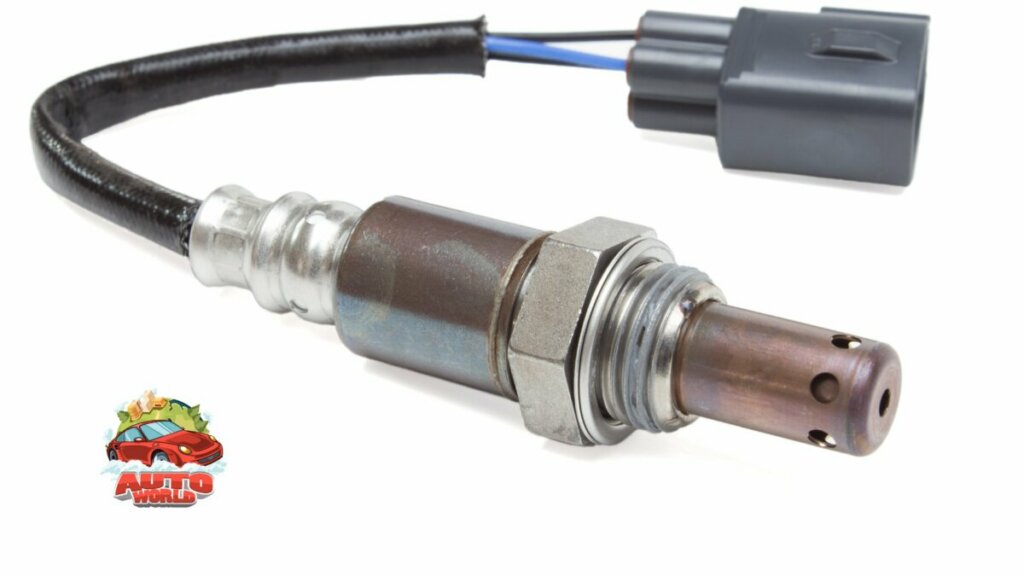
How Much Is An Oxygen Sensor
Now that we’ve covered the signs of a faulty O2 sensor, you might wonder how much it would cost to replace one. Imagine this scenario: You’re driving along and suddenly your check engine light comes on. After taking your car to a mechanic, they diagnose the problem as a bad oxygen sensor. So, what’s the damage?
The price of an oxygen sensor can vary depending on the make and model of your vehicle. You can expect to pay anywhere from $20 to $200 for just the part itself.
However, if you’re not comfortable replacing it yourself and decide to have a professional do it for you, labor costs can add another $50 to $150 onto the total bill. Remember that some vehicles have multiple O2 sensors, so if more than one is faulty or needs replacing, the overall cost could be higher.
| 2017 Toyota Camry Oxygen Sensor | Price |
|---|---|
| New OEM O2 Sensor | $160 |
| Aftermarket O2 Sensor | $90 |
| Used O2 Sensor | $40 |
That being said, don’t let the expense deter you from addressing this crucial component in your vehicle’s performance and emission system. Ignoring a bad oxygen sensor can lead to more expensive problems down the line such as decreased fuel efficiency or damage to your catalytic converter – which can cost upwards of $1,000 or more to replace! It’s always better to take care of smaller issues like this before they escalate into larger ones that will hurt both your wallet and your car’s overall health.
How To Replace An Oxygen Sensor
We’ll need some tools to replace the oxygen sensor, so let’s start by gathering up what we need. First, we’ll need a ratchet, a socket and a few extensions. Then, we can move on to removing the sensor, which can be tricky. We’ll need to access the sensor, then unplug it and remove the keeping bolts. After that, we can lift the sensor out and replace it with a new one.
Tools Needed
Before we dive into replacing an oxygen sensor, let’s go through the essential tools you’ll need to get the job done. It is very helpful to have an oxygen sensor socket. Don’t worry, you probably already have most of these in your toolbox, and if not, they’re easy to find at your local hardware store.
First off, you’ll need a ratchet with a variety of socket sizes – specifically a 7/8-inch or 22mm deep socket for removing the sensor. An adjustable wrench can also come in handy for those hard-to-reach places.
A good pair of pliers will be helpful for disconnecting any wiring harnesses connected to the sensor. It’s also a great idea to have some penetrating oil on hand to help loosen any rusted or stuck components.
It’s important to invest in a high-quality oxygen sensor socket set. Oxygen sensor sockets are designed specifically for removing and installing oxygen sensors without damaging them. These sockets have a slot cut into their side that allows you to slip it over the sensor’s wire and onto the hex nut for easy removal and installation.
Sensor Removal
Now that you’ve got your tools ready, it’s time to dive into the actual process of removing the old oxygen sensor. Removing the sensor might seem a bit intimidating at first, but do not lose your patience.
To start, locate the oxygen sensor that needs replacing – it’s usually found either in the exhaust manifold or along the exhaust pipe. Once you’ve found it, disconnect any wiring harnesses attached to the sensor using your pliers. Next, apply some penetrating oil to the base of the sensor and let it sit for a few minutes.
This will help loosen any rust or debris that might be holding it in place. Now grab your ratchet with the appropriate socket or adjustable wrench and carefully unscrew the sensor from its position.
Remember to take your time during this step as you don’t want to damage any surrounding components or accidentally strip the threads on your new oxygen sensor. And there you have it – with a bit of patience and effort, you’ve successfully removed your old oxygen sensor!
How To Clean An Oxygen Sensor
Cleaning your oxygen sensor can help improve your vehicle’s performance and fuel efficiency. Over time, the sensor can become dirty, which makes it difficult for it to properly measure the amount of oxygen in the exhaust. This can lead to poor engine performance and increased emissions. To clean an oxygen sensor, you will need a few simple tools and some patience.
First, locate the oxygen sensor on your vehicle. It is usually found on the exhaust manifold or on the exhaust pipe close to the engine. Once you have found it, disconnect the electrical connector and carefully remove the sensor using a specialized oxygen sensor socket or a wrench. Be sure to let your vehicle cool down before attempting this step as working around hot parts of your car can be dangerous.
After you have removed the sensor, use a cleaner specifically designed for cleaning oxygen sensors. These cleaners can be found at most auto parts stores. Spray a generous amount of cleaner onto the sensor and let it soak for about 10 minutes. Then scrub gently with a soft brush to remove any stubborn debris.
Make sure not to damage any delicate internal components while cleaning, as this could make your problem worse instead of better. Once you are satisfied that your sensor is clean, reinstall it in your vehicle and reconnect the electrical connector.

Oxygen Sensor FAQ
How Do O2 Sensors Affect Fuel Efficiency And Emission Levels In A Car’s Engine?
O2 sensors play a crucial role in maintaining your car’s fuel efficiency and emission levels. They monitor the amount of oxygen in the exhaust gases, helping the engine control module (ECM) adjust the air-fuel mixture for optimal combustion. When the mixture is too rich or too lean, it can cause poor fuel efficiency and increased emissions. A properly functioning O2 sensor ensures that your engine burns fuel efficiently, reducing harmful emissions and saving you money on gas.
How Often Should An Engine Oxygen Sensor Be Checked Or Replaced As Part Of Regular Vehicle Maintenance?
As part of regular vehicle maintenance, an engine oxygen sensor should be checked or replaced every 60,000 to 90,000 miles. However, it’s a good idea to consult your vehicle’s owner manual for the manufacturer’s specific recommendations. If you notice poor fuel efficiency, reduced performance, or a check engine light on your dashboard, this could be a sign that the oxygen sensor needs attention sooner. Regularly checking and replacing the O2 sensor can help ensure optimal engine performance and fuel efficiency.
Can A Faulty O2 Sensor Cause Damage To Other Engine Components Or Affect Overall Vehicle Performance?
Yes, a faulty O2 sensor can cause damage to other engine components and affect overall vehicle performance. When an oxygen sensor isn’t working properly, it can send incorrect information to the car’s computer, which might lead to poor fuel mixture adjustments. This can cause reduced fuel efficiency, increased emissions, and even damage to parts like the catalytic converter and spark plugs.
A bad O2 sensor could cause your vehicle to fail an emissions test or trigger the check engine light. So, it’s important to address any issues with your oxygen sensor promptly to keep your car running smoothly and prevent costly repairs down the road.
Are Aftermarket O2 Sensors A Reliable And Cost-Effective Option Compared To OEM (Original Equipment Manufacturer) Sensors?
Savvy shoppers seeking sensor solutions may wonder whether aftermarket oxygen sensors are a reliable and cost-effective option compared to OEM (Original Equipment Manufacturer) sensors. While aftermarket O2 sensors can be more affordable, they’re not always as dependable as their OEM counterparts. However, some high-quality aftermarket brands offer performance that’s on par with OEM sensors, so it’s important to research and choose a reputable brand before making a purchase.
Selecting an aftermarket O2 sensor can save you money without sacrificing your vehicle’s performance or causing damage to other engine components if you opt for a trustworthy brand with positive reviews from fellow car enthusiasts. Bosch oxygen sensors are one of the most common aftermarket oxygen sensors you’ll find at auto parts stores.
Keep Those Oxygen Sensors in Shape
Keeping your engine’s oxygen sensor in tip-top shape is like giving your car a breath of fresh air. It not only helps it run smoothly but also makes the environment a bit greener. So, don’t forget to check on this little buddy during regular maintenance, and choose wisely between aftermarket and OEM options.
Replacing a bad oxygen sensor is a good project for the DIY car repair hobbyist and a good start towards learning how to tackle common engine repair issues. Learning how to replace oxygen sensors can be very rewarding and a failing oxygen sensor will lead to many more issues.






 EN
EN  ES
ES 