

DIY Car Repair

Share
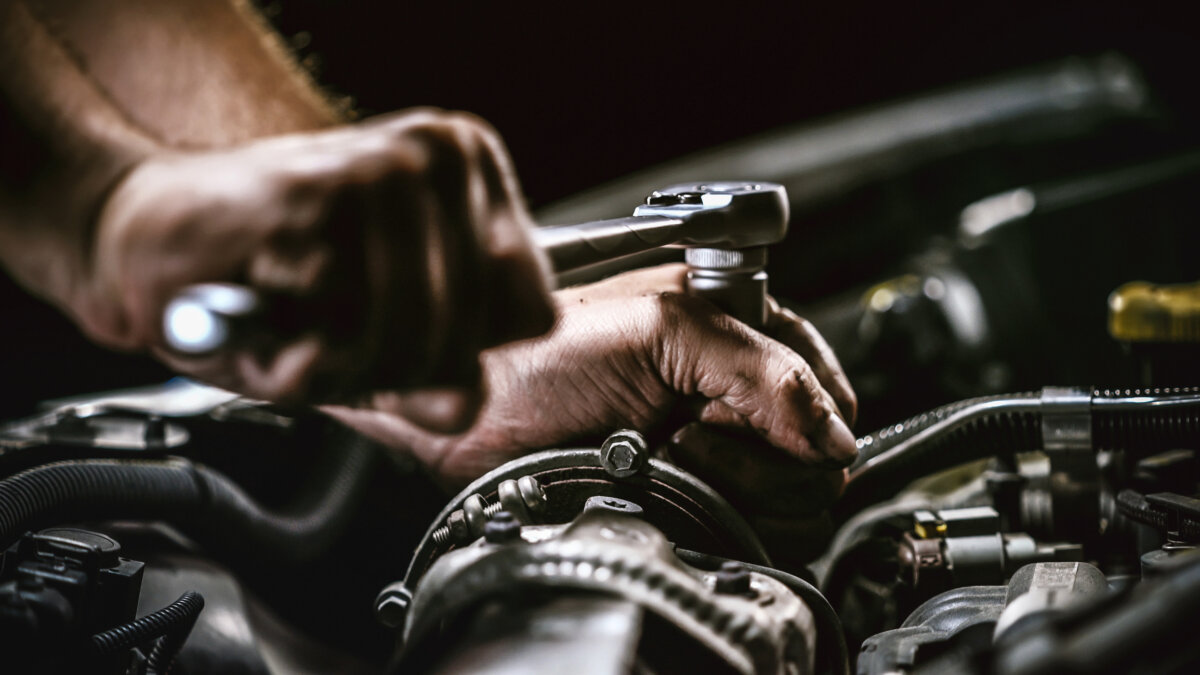
Hey there! Don’t you hate it when you can’t afford to take your car to the shop for repairs? It’s a pain, right? Don’t be intimidated by not knowing what you’re doing. That’s why I’m here: to show you how to get it done. You’ll be a Shadetree Mechanic in no time.
Whether you repair your car at home or at a DIY car repair garage, it’s always important to know the details before getting started.
Car Maintenance Tasks
Maintaining your car doesn’t have to be a daunting task. Vehicle repair and maintenance can be quite a zen experience for some. From oil changes to tire rotations, there are plenty of simple do-it-yourself car maintenance tasks that are not difficult to learn.
Beginners can repair cars in no time, just a lot slower than experienced auto mechanics. Don’t let auto repair intimidate you.
Here is a list of tools we recommend for home automotive repair hobbyists:
- Jack and car jack stands: To safely lift and hold your vehicle while working underneath, a hydraulic jack and robust car jack stands are crucial.
- Wrench set: A set of open-end and combination wrenches in various sizes are indispensable for diverse repair activities.
- Socket set: A comprehensive socket set with different sizes and a ratchet handle is essential for working with various nuts and bolts on a car. Go for both metric and imperial socket sets.
- Pliers: For bending, gripping, and cutting small parts or wires, needle-nose, slip-joint, and locking pliers are valuable tools.
- Work light: A flashlight or portable work light ensures good visibility when working in tight or poorly lit spaces.
- Screwdriver set: Flathead and Phillips screwdrivers in multiple sizes are necessary for handling screws during repair jobs.
- Oil drain pan: During oil changes, an oil drain pan collects used oil, making it an essential item.
- Funnel: For spill-free transfer of fluids like oil or coolant, a funnel is a useful tool.
- Wire cutter/stripper: For any electrical repairs or installations, wire cutters and strippers are required to cut and strip electrical wires.
- Multimeter: A digital multimeter helps test electrical circuits, components, and fuses in your vehicle.
- Torque wrench: By enabling you to tighten bolts to the correct specifications, a torque wrench ensures the safety and durability of particular car components.
- OBD-II scanner: To diagnose and resolve issues by accessing error codes from your car’s computer, an OBD-II scanner is a valuable tool.
- Safety glasses and gloves: Wearing protective gloves and eyewear is crucial for personal safety while working on your car.
Replacing Brake Pads
With DIY automotive repair, knowing how to replace brake pads is an essential skill. Replacing the brake pads yourself will save you money and time, and give you the freedom of being able to do it yourself any time.
First, you’ll need to make sure you have all the tools: a metric socket set, ratchet wrench, a car jack, caliper wind-back tool and new brake pads for your car.
Once that’s done, start by loosening the lug nuts on the wheel and then jacking up the car so that the wheel is off the ground. Next, use a ratchet wrench to loosen and remove two slotted bolts from caliper assembly. Then remove the caliper from the rotor.
Slide out old brake pads and slide in new ones. Reassemble everything in reverse order and then tighten lug nuts with a torque wrench set according to manufacturer’s standards(if you’re uncertain, aim for around 80 lb-ft).
Now that’s one job done! With just these few steps, you can replace your own brake pads at home — no need for an expensive trip to a do-it-yourself auto repair shop!
Replacing Car Batteries
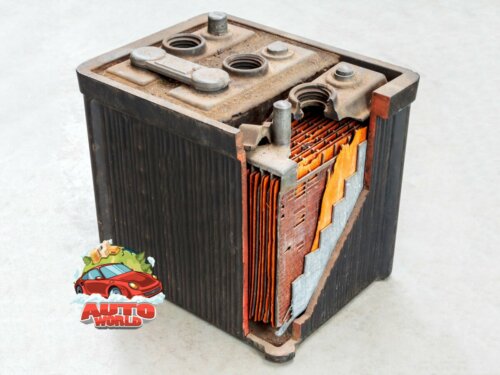
The difficulty of replacing a car’s battery depends greatly on the make and model. BMWs might have one under the rear seat, certain model Dodges have the battery in the trunk, and other such hurdles. Usually though, it’s right there under the hood in the engine bay. If you don’t know where it is, consult your owner’s manual or look up the make and model of your car online.
Once you find the battery, disconnect it from its cables. You might need a wrench or socket to help loosen the battery terminals.
When that’s done, remove the old battery and replace it with a new one. Make sure to secure the new battery in place and reconnect its cables properly. If you have any doubts about this process, consider visiting one of the many DIY garages that offer car repair services or asking an experienced mechanic for help.
Oil Change
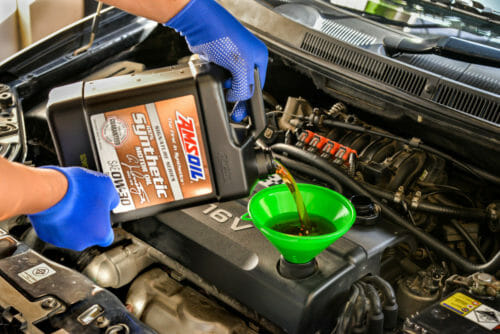
Let’s talk about what supplies you need for an oil change, and what type of oil change works best for your car. We’ll go over both so you can decide which one’s right for you.
Synthetic Oil vs Conventional Oil
One of the first questions someone going to change their car’s motor oil for the first time is “Which is better? Synthetic or regular engine oil?”. You can read our full guide on synthetic oil vs conventional oil, but here are the basics:
| Attribute | Synthetic Oil | Conventional Oil |
|---|---|---|
| Base | Man-made, chemically engineered | Refined crude oil |
| Performance | High-performance, longer-lasting | Good performance, less longevity |
| Viscosity | Stable at high temperatures | Thicker at low temperatures |
| Protection | Superior engine protection | Standard engine protection |
| Cold Weather Performance | Flows better in cold temperatures | Can thicken in cold temperatures |
| Change Intervals | Longer intervals between oil changes | Shorter intervals between changes |
| Price | More expensive | Less expensive |
| Environmental Impact | Lower emissions, longer change intervals | Higher emissions, more frequent changes |
Minor Engine Repairs
Now that you’ve changed your oil, let’s move on to minor engine repairs. If you don’t feel confident in performing the repair yourself, then I recommend finding a certified mechanic who can help.
Once you have all the information on the repairs needed and the tools required, it’s time to begin. Make sure you read up on minor engine repairs and what you will need. It’s also important to take your time during each step so nothing is rushed or overlooked.
Troubleshooting Tips
Let’s start with diagnostic testing. You have to find out what’s wrong before you start fixing it. Then you gotta get the right tools for the job. Make sure you got the right parts too. Otherwise, you’ll be wasting your time.
Diagnostic Testing
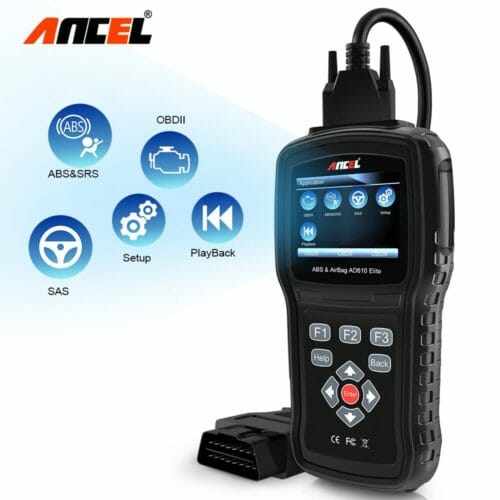
Troubleshooting your car can be a tricky business. But with the right diagnostic testing, you can quickly narrow down the problem and get back on the road. Testing can range from simple pressure checks and scans to more sophisticated electronic measurements, depending on your vehicle. This can include OBD-II tools, SRS scanners, and other devices. If they are out of your budget, they can often be rented at local car parts stores.
Troubleshooting Tools
Now that you know the basics of troubleshooting, let’s talk about the tools that can help. For more minor repairs, you don’t need to be a mechanic – just the right gear. From testers and digital diagnostic systems, there are plenty of great tools out there for diagnosing problems quickly and easily. And if you’re feeling extra ambitious, you can even try using a laptop with specialized software to pinpoint the issue in no time at all!
Part Replacement Tips
Alright, now that you got the right tools to diagnose your car, let’s move on to part replacement tips.
Replacing parts is a lot easier than it seems. If you’re thinking of buying aftermarket parts, just make sure they fit your car and do some research on customer reviews for any defects. Aftermarket car parts and vary greatly in quality.
Just remember to keep track of all the old parts you replace so you can return them if necessary. And never forget to double-check everything before putting things back together! That way, you won’t have any unwanted surprises on your next drive.
Tire Maintenance
Have you ever wondered how to keep your car’s tires in top shape? A good starting point is to regularly check the tire pressure and make sure each tire has enough air. You should also check the tread depth of each tire; if it’s too shallow, it’s time for a new set of tires.
Make sure to have your wheels balanced and aligned at least once a year. This not only helps the tires last longer but also increases fuel efficiency and improves handling. Having freedom on the road requires being responsible for taking care of your car, so don’t forget about those tires!
DIY Car Repair: Learn Car Maintenance Basics
DIY car repairs can be a great way to save money and stay safe on the road. To get started, it’s important to understand some basic maintenance tasks like changing oil, replacing batteries and brake pads, and checking tires. It’s also a good idea to know how to troubleshoot minor engine problems. With patience and practice, you can become an expert in no time.
By following these simple steps, you’ll be able to keep your car running smoothly for years to come. For complex repairs, seek a professional mechanic. Sometimes there are car repairs you should not do yourself. So don’t be afraid – if you have the tools and the know-how, go ahead and try a few DIY repairs on your car today. It might surprise you at how much you can do yourself.